

The Bayfordbury Lake was created in 1772 by the Baker family by damming a small stream. It was enlarged in 1840, and a range of ornamental trees was planted around that time. Now the lake is fed entirely by surface drainage. It is about 0.8 ha of open water with four small islands actively used by ducks and geese for breeding.
The lake has been known for its native Crucian Carp (Carassius carassius) population and is well used by waterbirds. Mallards, coots, moorhens and little grebes can be seen all year round. Cormorants and Grey herons are common visitors. Canada geese come in spring to breed. Tufted ducks are common in winter, with shovelers, mandarin ducks and greylags being less regular visitors. Egyptian geese settled near the Mansion, but occasionally come to the lake. Water vole reappeared in early 2025 after not being seen for many years.
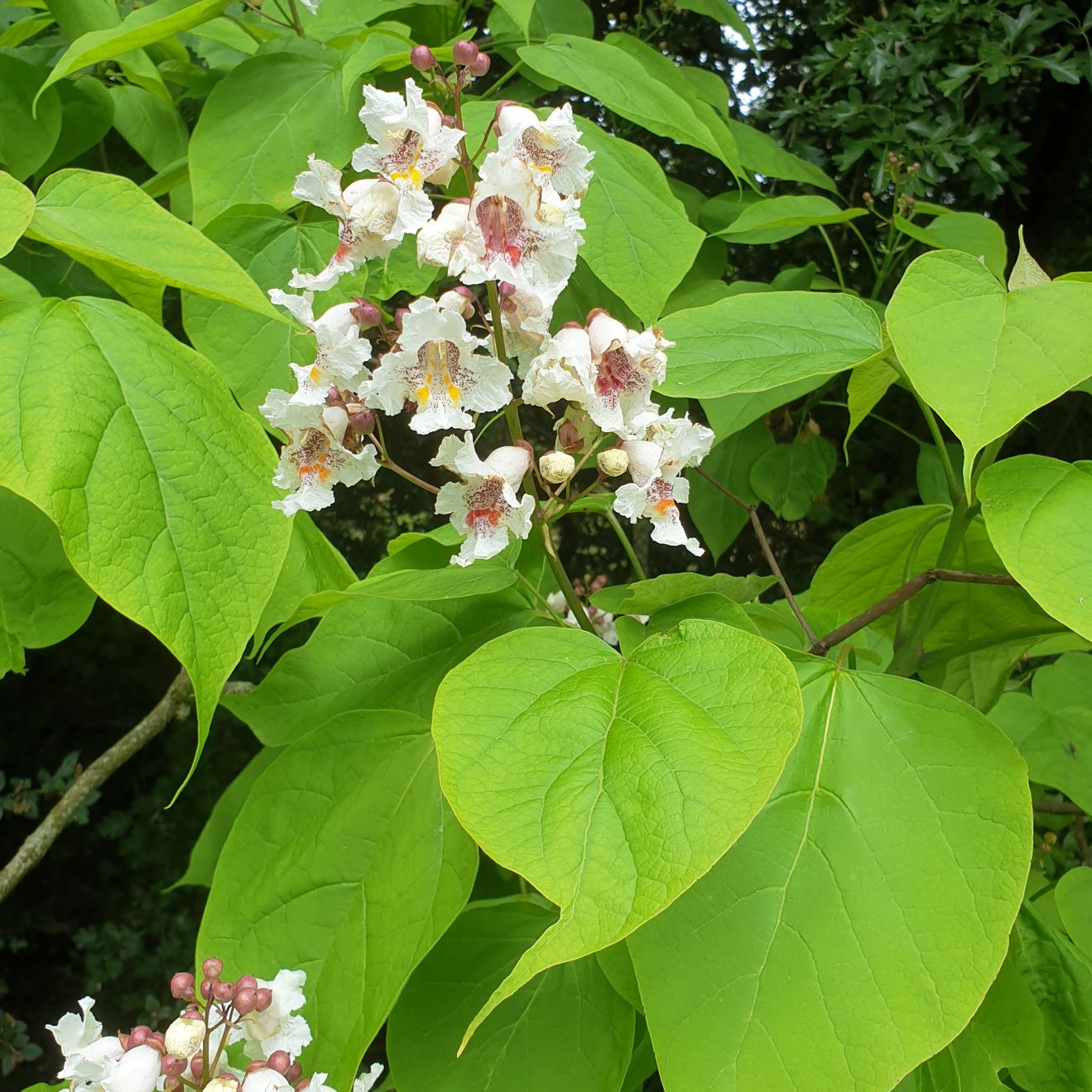
Willows are common native trees around the lake. From ornamental trees, the most impressive ones include two Incense Cedars, Swamp Cypress, a veteran Mulberry tree with a supported low side branch, Indian Bean Tree and Oriental Plane. Apart from trees, there is a colony of the nationally rare Purple Toothwort – a small plant parasitizing on the roots of poplars and willows.
Water margins are dominated by Pond sedges with some Reed Sweet-grass, Yellow Iris and Bulrush. Less common plants include Sweet Flag (which vegetatively looks similar to Yellow Iris), Branched Bur-reed and a patch of Skullcap. Yellow and White water-lilies cover the surface in summer.

November 2019
June 2022

May 2017

October 2013

June 2018

July 2019